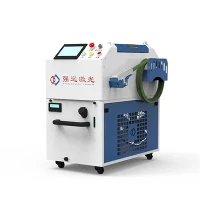

Laser Cleaning For Churches And Old Houses Restoration
Sep 15, 2023
Laser cleaning technology has emerged as a powerful and efficient tool for the restoration of old buildings such as churches and historical houses. It offers a range of benefits over traditional restoration methods, including cost-effectiveness, precision restoration, and its non-abrasive nature. This technology has become increasingly popular among restoration professionals and homeowners alike, as it can preserve the architectural integrity of the historical structure and enhance its aesthetic appeal without causing any harm.
The restoration of churches and old houses is of great importance for preserving cultural heritage and for maintaining the cultural identity of a place. The restoration of these ancient structures requires a delicate balance between preserving their historical charm and making them more functional for current use. Laser cleaning technology can be a vital tool in achieving this balance.

One of the most significant applications of laser cleaning technology in the restoration of churches and old houses is the removal of dirt, grime, and other surface contaminants. Over the years, these structures accumulate layers of dirt, pollutants, and other residues, which can dull the appearance and contribute to structural damage. Laser cleaning technology can remove these contaminants without damaging the surface beneath, bringing the structure back to its original appearance.

Another benefit of laser cleaning technology in the restoration process is its ability to remove old paint and varnish from wood surfaces without causing any damage. This technology can remove layer by layer of paint, allowing the restorer to expose the original wood beneath to restore it to its natural beauty. It can also remove graffiti and other unwanted markings from the surface of walls and facades without damaging the underlying surface.

Laser cleaning technology can also address difficult-to-reach areas such as intricate carvings, ornate moldings, and other intricate details. Traditional restoration methods are cumbersome and require a significant amount of time and effort to clean these intricate details. Laser cleaning technology removes contaminants in these areas quickly and efficiently, making the restoration process much more practical and effective.
In conclusion, laser cleaning technology has revolutionized the restoration of churches and old houses. The technology offers a range of benefits, including cost-effectiveness, precision restoration, and its non-abrasive nature. The use of this technology has enabled the restoration of historical structures while preserving their cultural heritage, and their architectural integrity. With its numerous benefits, laser cleaning technology has become a valuable tool in the restoration process, helping to preserve the history and cultural identity of our communities.