
Laser Cleaning Engine Mold
Jan 16, 2024
An engine is a machine that can convert other forms of energy into mechanical energy, including internal combustion engines (gasoline engines, etc.), external combustion engines (Stirling engines, steam engines, etc.), electric motors, etc. For example, internal combustion engines usually convert chemical energy into mechanical energy. The engine applies to both the power generating device and the entire machine including the power device (such as gasoline engine, aviation engine). The engine was first born in England, so the concept of engine also comes from English. Its original meaning refers to the "mechanical device that generates power".
Injection molding companies are often troubled by oil stains on molds, and the production of a good engine is indispensable for a good mold. Only a clean mold can produce a qualified engine. As the production plan progresses, various oil stains will accumulate around the mold, which not only damages the service life of the mold, but also greatly affects the qualification rate of the finished product. Therefore, oil and glue removal is imperative. Cleaning of molds can better serve production. Bright and oil-free finished workpieces are indispensable without the support of molds.
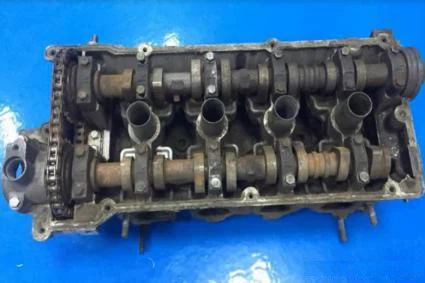
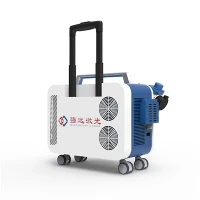
The traditional methods of cleaning molds have some drawbacks. Finding more suitable cleaning methods can bring benefits to enterprises. With the development of the laser cleaning industry, laser cleaning components have begun to be applied in the mold industry. The principle of laser cleaning is to use high-frequency and high-energy laser pulses to irradiate the surface of the workpiece. The coating layer can instantly absorb the focused laser energy, causing the oil stains, rust spots or coatings on the surface to instantly evaporate or peel off, and effectively remove surface attachments or surfaces at a high speed. The coating is cleaned in such a way that the short laser pulses, under the appropriate parameters, do not harm the metal substrate.

Advantages of laser cleaning:
1. Green cleaning: completely solve the environmental pollution problem caused by chemical cleaning.
2. Non-damage cleaning: no grinding, no contact, no damage to the substrate, only surface contaminants are removed.
3. Low-cost cleaning: no consumables and only consumes very little power during operation.
4. Precise and precise cleaning: precise and precise cleaning operations can be performed on designated areas.
5. Improve the working environment: reduce manpower and solve the problem of labor difficulties.
6. Automated cleaning: equipped with automated equipment, easy to detect and control, realizing fully automated cleaning.